

Celebrating Volunteer Appreciation Week at Norman Regional
Tuesday, April 23, 2024
April 21- 28 is Volunteer Appreciation Week where we celebrate all of our volunteer services staff! Please share your appreciation and gratitude for all they do for our patients and families!

Norman Regional 100 Days Away from the Expansion Opening and Move
Friday, April 19, 2024
Norman Regional Health System is just 100 days away from the opening of the expansion at the HealthPlex. The expansion includes a new 96-bed Critical Care Tower, Ambulatory Care Center (ACC), a larger emergency department with additional rooms, and concourse-style entry with a new Daily Grind, Gift Shop, chapel, parking garage, and more.

Severe Weather Information
Wednesday, April 3, 2024
As Oklahoma enters another severe weather season, Norman Regional would like to address the attempted use of our hospital's parking garage as a shelter during the threat of a hailstorm or possible tornado.
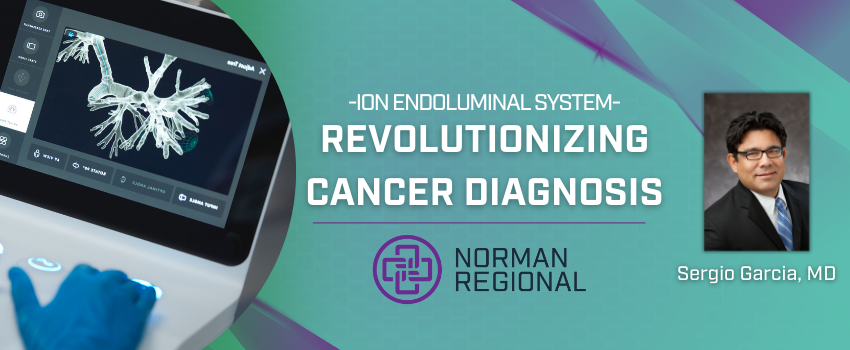
Revolutionizing Lung Cancer Diagnosis with Ion
Thursday, March 28, 2024
The Ion Endoluminal System is a game changer for detection and diagnosis of lung cancer. With this new technology, Norman Regional pulmonologist, Sergio Garcia, MD, is committed to making a leap forward in the fight against cancer.

Norman Regional Leads the Way in Managing Seasonal Allergies
Wednesday, March 20, 2024
The 2024 Allergy Capitals report by the Asthma and Allergy Foundation of America (AAFA) highlights the increasing challenge of managing seasonal allergies across the United States. The report says, that as the climate crisis intensifies, allergy seasons are starting earlier and lasting longer, impacting over 100 million people nationwide and those right here in Oklahoma.

Norman Regional’s First “Fur”-time Healer: Porter the Security Pup
Tuesday, March 19, 2024
At Norman Regional, we're always seeking innovative ways to enhance patient care and support our dedicated healers. So we’re introducing you to Porter, the therapy dog, who is joining our team as our first “fur”-time employee. Porter, a charming 10-week-old English Goldendoodle, is already melting hearts and spreading joy throughout our facilities.
Spring Into the Season with Timely Tips to Conquering Daylight Saving
Thursday, March 14, 2024
As the days grow longer and the sun graces us with its presence well into the evening, we welcome the arrival of Daylight Saving Time. However, with this time shift comes the challenge of adjusting our internal clocks. Fear not! Krishna Vedala, MD, MPH, Dipl. ABOM, a primary care physician at Norman Regional, has crafted a comprehensive guide to help you combat sleepiness and make the most of your extended daylight hours.

Robin Marsh to be Featured Artist at Norman Regional Main St Clinic for 2nd Friday Art Walk
Tuesday, March 5, 2024
Norman Regional Health System is excited to announce that Emmy award-winning Channel 9 news anchor and artist, Robin Marsh, will be the featured artist at the Norman Regional Main St Clinic during the 2nd Friday Art Walk on March 8.

Celebrating Leap Year Babies: 8 New Additions to the Norman Regional Family
Friday, March 1, 2024
2024 is a Leap Year! During this extra day of February, Norman Regional Health System’s Labor & Delivery department was busy as eight adorable bundles of joy entered the world, each with a unique story to tell. Born on Leap Year Day, these families shared moments of surprise and excitement as they welcomed their little ones into their lives.
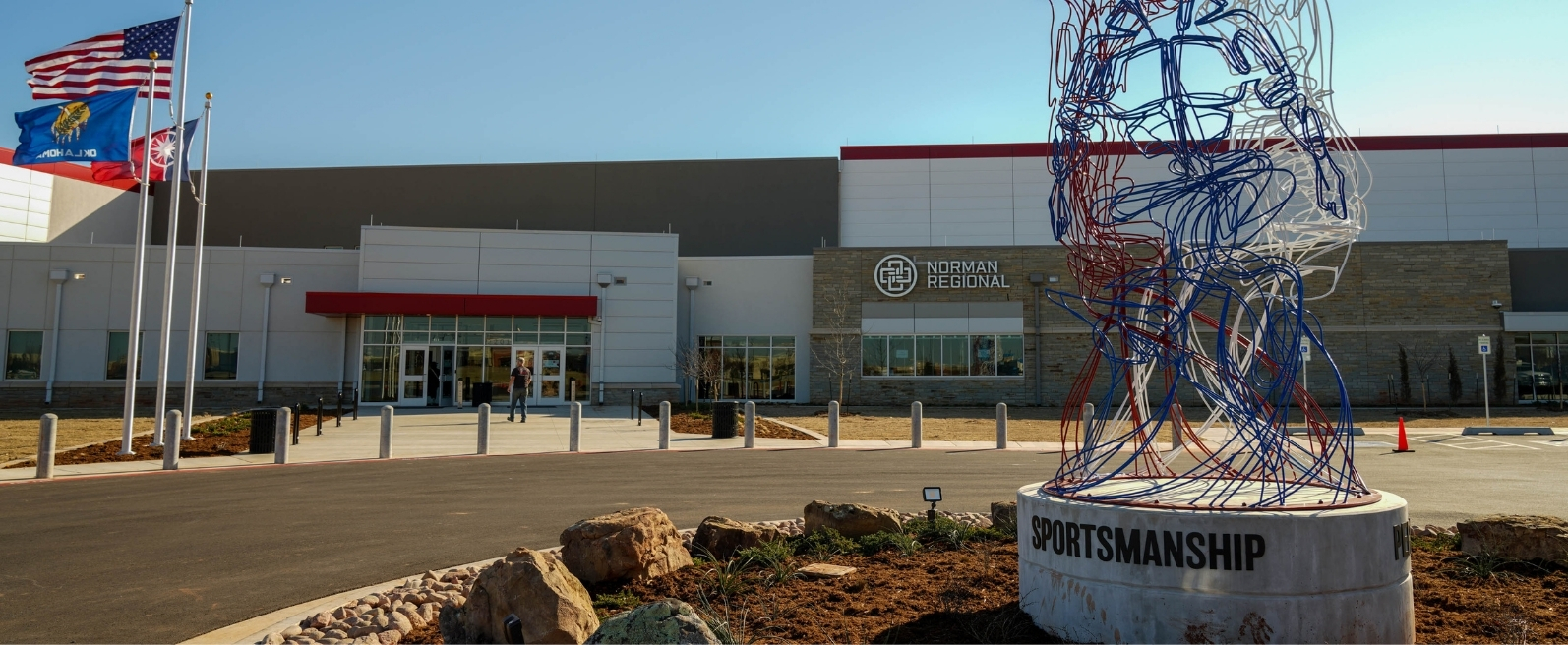
Norman Regional Celebrates Young Family Athletic Center Grand Opening Partnership
Friday, February 16, 2024
Norman Regional Health System is proud to announce the grand opening and ribbon-cutting of the Young Family Athletic Center (YFAC), a state-of-the-art 122,000-square-foot facility we've partnered in creating, located on a 12-acre site in northern Norman.
Situated at 2201 Trae Young Drive, the YFAC is a symbol of our dedication to enhancing community health and well-being. This remarkable facility offers premier amenities including basketball and volleyball courts, aquatics, sports medicine, youth sports, camps, leagues and a retail store.