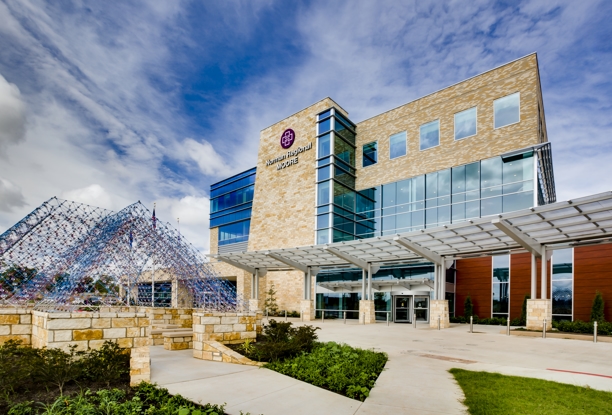
The gastroenterology team at Norman Regional Digestive Health Center evaluates
and treats digestive conditions, including acid reflux and GERD, irritable
bowel syndrome (IBS), inflammatory bowel disease (IBD), celiac disease,
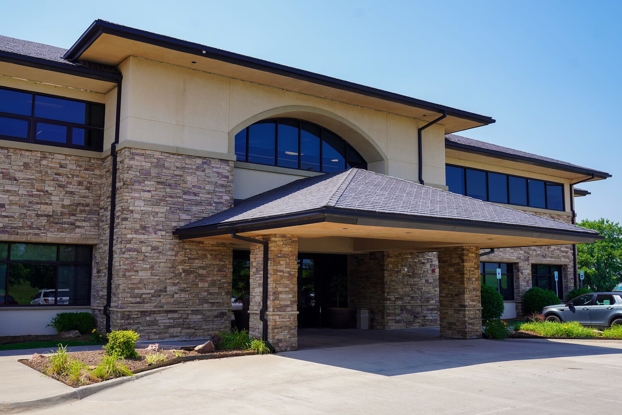
and liver and pancreatic disorders. The center is located at 3101 W. Tecumseh
Rd., Suite 200, in Norman. Call
405-515-2777 to schedule an appointment.
Digestive Conditions Our Gastroenterology Team Treats
We focus on delivering the most accurate diagnoses and effective treatments
to manage and maintain your digestive health.
With personalized care and
advanced imaging services in Norman, we are able to diagnose and treat the following digestive disorders and more:
Celiac Disease: For those with celiac disease, ingesting gluten can cause significant
damage to the stomach lining. Symptoms often include diarrhea and fatigue.
Crohn’s Disease: This form of chronic inflammatory bowel disease can cause debilitating
symptoms, such as abdominal pain and severe diarrhea.
Diverticular Disease: Our team manages diverticulosis and accompanying symptoms with expertise.
Treatments may vary depending on symptoms and their severity.
Gallstones: We address painful gallstones that can cause intense upper abdominal pain.
GERD: We offer various treatments for the management of gastroesophageal reflux
disease (GERD) to alleviate discomfort from frequent acid reflux.
IBS: Irritable Bowel Syndrome (IBS) can severely disrupt daily life. Our approach
aims to minimize symptoms of stomach bloating and cramping to make daily
life more comfortable and manageable.
Peptic Ulcer Disease: Stomach pain from peptic ulcers requires careful management. Discuss a
personal management plan with your healthcare provider to determine the
best course of action for your daily needs.
Ulcerative Colitis: For ulcerative colitis (UC) patients, we offer treatments to manage long-lasting
inflammation and heal ulcers in the digestive tract.
Symptoms That May Mean It's Time to See a Gastroenterologist
Digestive symptoms are common, but symptoms that are frequent, last for
weeks, or interfere with daily life are worth discussing with a healthcare
provider. Consider scheduling a visit if you have:
Heartburn or acid reflux that happens often or does not improve
Ongoing abdominal pain or cramping
Persistent bloating or gas
Diarrhea or constipation that does not go away
Changes in your bowel habits
Difficulty swallowing
Unexplained weight loss
A family history of colorectal cancer, or you are 45 or older and have
not had colorectal cancer screening
Seek emergency medical care right away if you have severe abdominal pain, vomiting blood, or black or bloody
stools. Call 911 or go to the nearest emergency room.
To schedule a gastroenterology appointment, call
405-515-2777.
Procedures & Screenings
For specialized gastroenterology care, we are here to provide precise diagnoses
and evidence-based treatment methods based on the individual needs of
each patient.
Diagnostic imaging performed by our Moore gastroenterologists may include:
Colonoscopy: A
colonoscopy is a procedure performed to examine the inside of the rectum and colon
for any abnormalities.
Liver Biopsy: A liver biopsy is a procedure in which a small needle is inserted into
the liver to collect a tissue sample.
Capsule Endoscopy: Capsule endoscopies are procedures that use a tiny wireless camera to
take pictures of the digestive tract.
Esophagogastroduodenoscopy (EGD): An EGD is a procedure where a long, flexible tube, called an endoscope,
is used to examine the interior lining of the esophagus, stomach, and
duodenum (first portion of the small intestine).
Endoscopic Retrograde Cholangiopancreatography (ERCP): An ERCP is a highly sophisticated technique requiring special endoscopic
training where a long, thin, and flexible tube is used to enter the duodenum
and view the bile ducts.
Gastroenterology FAQs
What conditions does a gastroenterologist treat?
A gastroenterologist specializes in the digestive system, including the
esophagus, stomach, intestines, liver, pancreas, and gallbladder. At Norman
Regional Digestive Health Center, the gastroenterology team evaluates
and treats conditions such as acid reflux and GERD, irritable bowel syndrome
(IBS), inflammatory bowel disease (IBD), celiac disease, and liver and
pancreatic disorders.
When should I see a gastroenterologist?
Consider making an appointment if you have digestive symptoms that are
frequent, persistent, or interfering with daily life, such as ongoing
heartburn or acid reflux, abdominal pain, bloating, diarrhea, constipation,
or changes in bowel habits. Your primary care provider can also help you
decide whether to see a specialist. If you have severe abdominal pain,
vomiting blood, or black or bloody stools, seek emergency medical care
right away.
What is the difference between Crohn's disease and ulcerative colitis?
Both are forms of inflammatory bowel disease (IBD), a group of chronic
conditions that cause inflammation in the digestive tract. Crohn's disease
can affect any part of the digestive tract, from the mouth to the anus,
and inflammation can reach deep into the bowel wall. Ulcerative colitis
affects only the colon and rectum and involves the inner lining. Symptoms
of both can include abdominal pain and diarrhea, and a gastroenterologist
can help determine which condition is causing them.
What is the difference between IBS and IBD?
Irritable bowel syndrome (IBS) affects bowel function and can cause cramping,
bloating, diarrhea, or constipation, but it does not cause visible inflammation
or damage to the digestive tract. Inflammatory bowel disease (IBD), which
includes Crohn's disease and ulcerative colitis, involves chronic inflammation
that can damage the digestive tract. Because symptoms can overlap, a gastroenterologist
can help identify the cause.
How do I know if I have acid reflux or GERD?
Occasional heartburn is common.
Gastroesophageal reflux disease (GERD) is diagnosed when acid reflux happens frequently or causes ongoing symptoms
such as regular heartburn, regurgitation, or discomfort in the chest or
throat. If reflux symptoms happen often or do not improve, talk with a
healthcare provider about evaluation and treatment options.
At what age should I start colonoscopy screenings?
Routine colorectal cancer screening with a colonoscopy starts at age 45
for people at average risk. People with a family history of colorectal
cancer, inflammatory bowel disease, or other risk factors may need to
start earlier, so talk with your doctor about your personal risk. Norman
Regional Digestive Health Center offers screening colonoscopies.
What is the difference between a colonoscopy and an upper endoscopy (EGD)?
A colonoscopy uses a thin, flexible tube with a camera to examine the inside
of the rectum and colon. An upper endoscopy, also called an esophagogastroduodenoscopy
(EGD), uses a flexible scope to examine the lining of the esophagus, stomach,
and duodenum, the first part of the small intestine. Your gastroenterologist
can recommend which test is appropriate for your symptoms.
Where is Norman Regional Digestive Health Center and how do I make an appointment?
Norman Regional Digestive Health Center is located at 3101 W. Tecumseh
Rd., Suite 200, in Norman, OK 73072. To schedule a gastroenterology appointment,
call 405-515-2777.
Schedule a Visit With Our Gastroenterology Team
Digestive symptoms can be uncomfortable, frustrating, and hard to talk
about. At Norman Regional Digestive Health Center, our caregivers take
time to listen, answer your questions, and create a personalized treatment
plan in a comfortable, patient-focused setting. Our
gastroenterology team includes physicians and advanced practice providers, and we would love
to help you take the next step.
Consult with a gastroenterologist in Norman today regarding your symptoms
and which diagnostic tests may be best recommended for your needs. Plan
your visit online or give us a call at
405-515-2777.

 Colon & Rectal Surgery, Robotic SurgeryView Profile













.png)