
How Do You Know If You Need Joint Replacement?
- Posted On:

Joint pain can quietly take over everyday life—making simple activities like walking, exercising, or attending family events uncomfortable or even impossible. One of the most common reasons this happens is osteoarthritis, a condition that affects millions of people each year. Fortunately, modern treatments, including joint replacement surgery (arthroplasty), offer effective, long-lasting relief for many patients. Today we're looking to answer these questions: what is osteoarthritis? What is arthroplasty? Lastly, how do I know if I need a joint replacement?
According to Jeremiah Maupin, MD, a board-certified, fellowship-trained hip and knee reconstruction specialist, understanding osteoarthritis and knowing when to consider joint replacement can help patients reclaim mobility, independence, and quality of life.
What Is Osteoarthritis?
Arthritis comes in several forms, including inflammatory conditions like rheumatoid arthritis and psoriatic arthritis. However, the most common type is osteoarthritis.
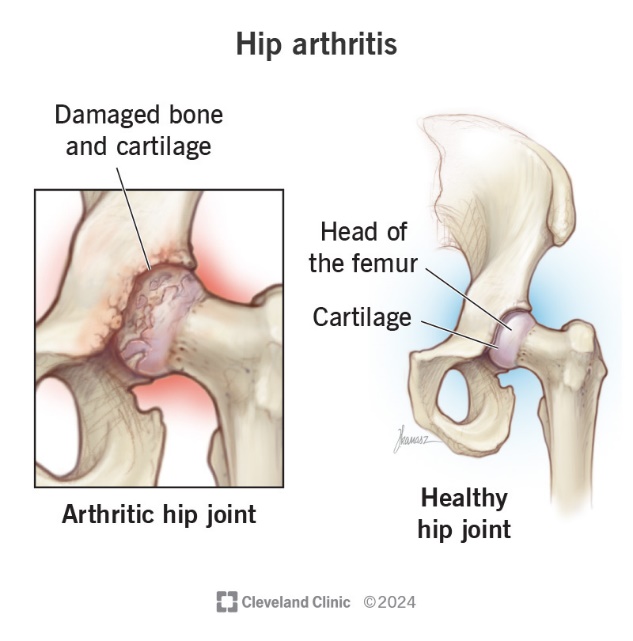
Osteoarthritis is a wear-and-tear condition that develops over time as the cartilage cushioning a joint gradually breaks down. As this protective cartilage wears away, the underlying bone—rich in nerve endings—becomes exposed. When these surfaces come into contact, pain, stiffness, swelling, and loss of function can occur.
“Osteoarthritis is the wear and tear of a joint with time,” said Dr. Maupin. It’s the progressive loss of cartilage, which exposes the underlying bone—and when those bones come into contact, that’s what generates pain.”
This condition most often affects weight-bearing joints such as the knees and hips, though it can also develop in the shoulders, elbows, and other joints.
What Is Arthroplasty (Joint Replacement)?
Arthroplasty is the medical term for joint replacement surgery. During this procedure, a damaged joint is removed and replaced with a prosthetic implant designed to restore smooth movement and reduce pain.
Joint replacement is most commonly performed on the hips and knees, as these joints are especially vulnerable to osteoarthritis-related damage. While other joints can be replaced, hip and knee replacements account for the majority of arthroplasty procedures.
How Arthroplasty Differs From Other Orthopedic Surgeries
Many orthopedic surgeries focus on repairing or reconstructing ligaments, tendons, or cartilage. Arthroplasty differs in that it involves replacing the entire joint rather than repairing a single structure.
This approach is particularly effective for advanced osteoarthritis, when cartilage loss and bone damage are too severe for repair alone to provide lasting relief.
Benefits of Joint Replacement Surgery
“The purpose of arthroplasty is to allow people to get pain relief and return to the activities they want to do in their daily lives,” said Dr. Maupin.
Common benefits include:
- Significant pain relief
- Improved joint movement and stability
- Increased independence and mobility
- A return to everyday activities, sports, and hobbies
Many patients find they are once again able to walk comfortably, travel, exercise, and attend family events without being limited by joint pain.
Who Is a Candidate for Joint Replacement?
Most patients considering joint replacement are over the age of 65, though age alone does not determine candidacy. “In younger patients, we explore every non-surgical option to try to delay arthroplasty, but once arthritis is limiting quality of life, at least a discussion is reasonable,” said Dr. Maupin.
Joint replacement may be appropriate when:
- Joint pain limits daily activities
- Non-surgical treatments no longer provide adequate relief
- Quality of life is significantly affected by arthritis
In younger patients, physicians often explore non-surgical options such as physical therapy, injections, medications, and activity modification to delay surgery when possible. However, when arthritis pain becomes activity-limiting, having a discussion about joint replacement is both reasonable and appropriate.
Joint Replacement Timeline: From Consultation to Recovery
When patients come into the clinic to discuss arthroplasty, the first step is ensuring all appropriate non-surgical treatments have been explored. Once the decision is made to proceed with surgery, the timeline can move efficiently.
Many joint replacements are now performed as outpatient procedures, allowing eligible patients to return home the same day. Some patients may stay overnight to ensure safety and early progress with physical therapy before discharge.
After surgery, patients begin outpatient physical therapy focused on rebuilding strength, motion, and stability. Formal physical therapy typically lasts six to eight weeks, followed by a transition to a home exercise program to maintain and build upon early gains.
Most patients begin returning to activities such as golf, pickleball, or racquet sports around the three- to four-month mark. While improvements continue over time, full recovery from joint replacement generally takes about one year.
How Technology Has Improved Joint Replacement Outcomes
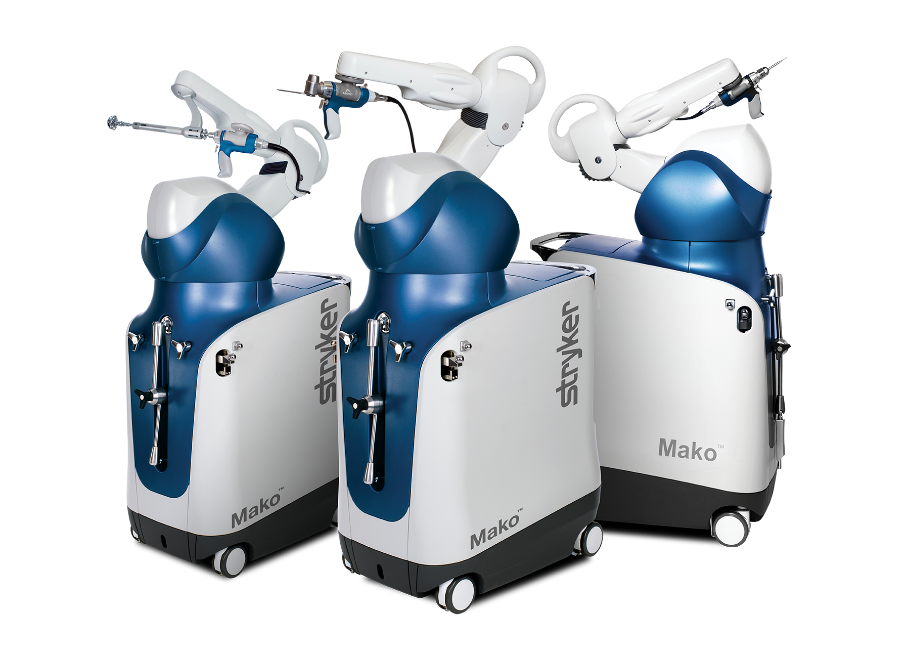
Advancements in orthopedic technology have significantly improved the precision and predictability of joint replacement surgery. Robotic-assisted joint replacement allows surgeons to analyze each patient’s unique anatomy and plan implant placement with a high level of accuracy.
“Robotics gives us more information to place implants in a predictable way that helps generate the best outcome for each individual patient,” said Dr. Maupin. “The robot isn’t doing the surgery—it’s a tool, like a GPS system, that helps ensure we’re placing implants exactly where we want them.”
What Patients Should Know About Joint Replacement Recovery
One of the most important aspects of a successful recovery is planning ahead. After surgery, patients will return home but should plan to have family or caregiver support available for at least the first one to two weeks.
Assistance may be needed for activities such as showering, navigating stairs, attending physical therapy appointments, and managing daily tasks. Having a coordinated recovery plan in place before surgery helps set patients up for a smoother and more confident return home.
When to Talk to Your Doctor
If joint pain is preventing you from enjoying everyday activities—such as walking with family, exercising, or attending a grandchild’s sporting event—it may be time to talk with your physician.
Even if surgery is not immediately necessary, discussing both surgical and non-surgical options can provide valuable insight into ways to improve function, relieve pain, and enhance quality of life.
If you are struggling with chronic joint pain, call us at 405-360-6764.