
High Cholesterol: Why It Often Has No Symptoms and What to Do About It
- Category: Videos, Educational, Cardiology, Primary Care, Information
- Posted On:

You may feel healthy while having high cholesterol. In fact, that is one of the biggest challenges with managing cholesterol: there often isn't anything you can feel that tells you your levels are too high.
High cholesterol, or hyperlipidemia, develops when there is too much cholesterol circulating in the blood. Over time, excess cholesterol can contribute to plaque buildup inside the arteries. As that plaque accumulates, it narrows the arteries and reduces blood flow, increasing the risk of heart disease, heart attack and stroke.
“Most people don't experience any symptoms from elevated cholesterol unless the problem is extreme,” said Miguel Rodriguez, MD, an internal medicine physician with Norman Regional Health System.
That is why knowing your cholesterol numbers matters even when you feel fine. Dr. Rodriguez reminds us that it is always a good idea to schedule a primary care visit, review your health history and make sure you are up to date on recommended screenings.
What Are the Symptoms of High Cholesterol?
In cases of extremely high cholesterol, some people can develop physical signs such as xanthomas, which are cholesterol deposits that can appear as yellowish growths on or underneath the skin. Cholesterol deposits can also develop around the eyes.
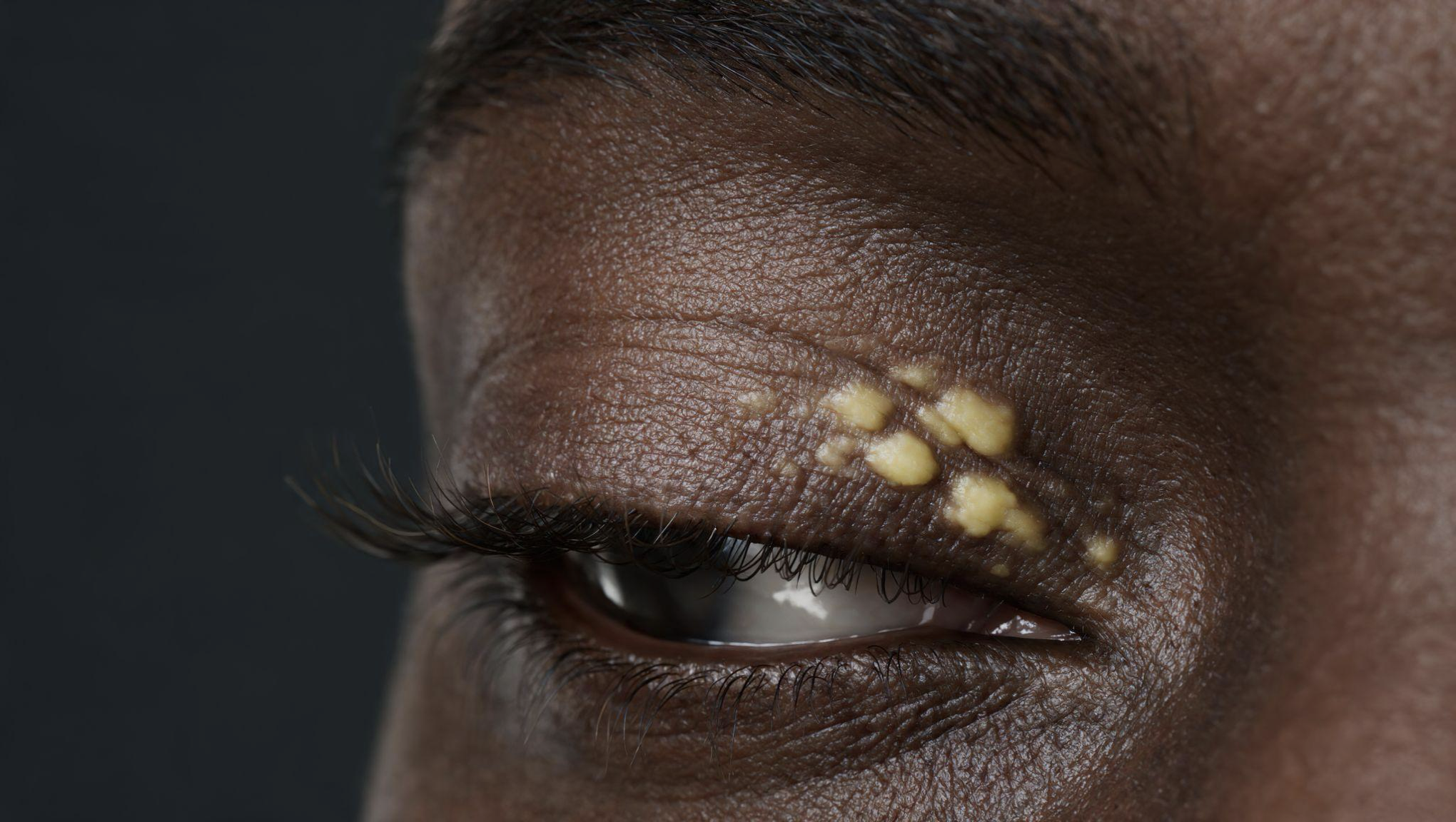
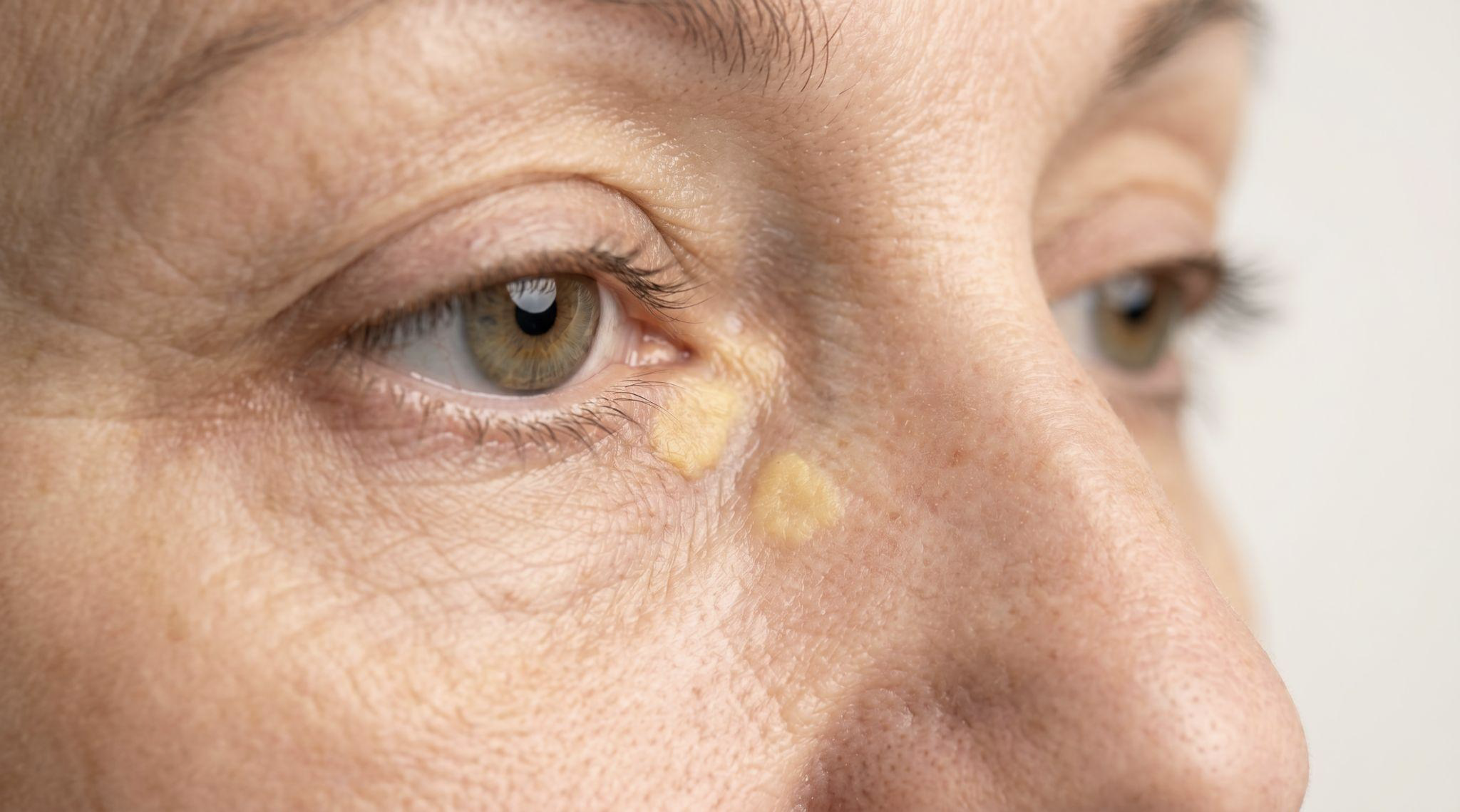
However, Dr. Rodriguez says these signs are uncommon, and most people with high cholesterol will not have anything visible to alert them that their numbers are elevated.
Instead, the health concern comes from what high cholesterol can do to your health over time.
“Cholesterol builds up in the arteries, forming plaques that reduce your blood flow,” said Dr. Rodriguez. “When you reduce the blood flow to any area of the body, it causes complications.”
Dr. Rodriguez says the symptoms people eventually experience are related to those complications rather than the cholesterol itself.
He says you shouldn't wait for symptoms to tell you that your cholesterol needs attention. The best way to check whether your cholesterol is elevated is through a blood test called a lipid panel or lipid profile.
How Is High Cholesterol Diagnosed?
The first step is a lipid panel, which requires a simple blood draw. In most cases, you may be asked to fast before the test.
A lipid panel measures several different types of fats in your blood, including:
LDL cholesterol: Often called “bad” cholesterol, LDL can contribute to plaque buildup in the arteries when levels are elevated.
HDL cholesterol: Often called “good” cholesterol, HDL helps carry cholesterol back to the liver. Higher HDL levels are generally associated with lower cardiovascular risk.
Triglycerides: Triglycerides are another type of fat in the blood. Elevated triglycerides, particularly when combined with high LDL or low HDL, can increase cardiovascular risk.
Total cholesterol: This reflects the overall amount of cholesterol in your blood and is calculated using your cholesterol measurements.
Dr. Rodriguez says lipid testing is commonly part of an annual evaluation, although the timing can vary.
“I think everybody should have a primary care doctor,” said Dr. Rodriguez. “There's certainly a lot of illnesses out there and problems that can arise during the course of one's lifetime, and having somebody available to help you during these times is important.”
The numbers are useful, but they are only part of the picture. Your physician will consider your age, family history, other medical conditions and overall cardiovascular risk when determining whether your cholesterol needs to be monitored, addressed with lifestyle changes or treated with medication.
If you have a family history of high cholesterol, your physician may recommend starting regular monitoring earlier.
Who Is at Risk for High Cholesterol?
High cholesterol can affect people of all ages, and some of the factors that contribute to it are outside of your control.
Family history is a big risk factor. If close family members have high cholesterol or cardiovascular disease, talk with your primary care physician about when you should begin having your cholesterol checked and how often you should monitor it.
Other factors can also affect cholesterol and cardiovascular risk, including diet, physical activity, smoking, age and certain health conditions. Diabetes, high blood pressure and obesity commonly occur alongside high cholesterol and can contribute to overall cardiovascular risk.
That is one reason regular check ups are important. Your physician can look at your cholesterol numbers alongside your other health information rather than treating one number in isolation.
Dr. Rodriguez says having an ongoing relationship with a primary care physician can help patients identify and manage these issues earlier.
“When you have known disorders and illnesses, it's helpful to have somebody to guide you through the process and see that your problems are being taken care of appropriately, and that you have the best outcome possible,” said Dr. Rodriguez.
What Symptoms Should You Never Ignore?
Although high cholesterol itself usually doesn't cause symptoms, plaque buildup associated with high cholesterol can contribute to cardiovascular disease. Dr. Rodriguez says new or unexplained symptoms involving the heart or brain should be taken seriously.
Signs of a heart attack or coronary artery disease
Coronary artery disease occurs when plaque builds up in the arteries that supply blood to the heart. It can cause chest discomfort, particularly during physical activity, and can eventually contribute to a heart attack.
Symptoms that may indicate a heart attack include:
- Pressure, squeezing, fullness or pain in the center of the chest that lasts for more than a few minutes or goes away and comes back
- Pain or discomfort in one or both arms, the back, neck, jaw or stomach
- Shortness of breath, with or without chest discomfort
- Cold sweats
- Nausea
- Lightheadedness
These symptoms can vary from person to person, and not everyone experiences the same combination. If you think you or someone else may be having a heart attack, call 911 rather than waiting to see if the symptoms go away.
Signs of a stroke
Plaque buildup and narrowed arteries can also increase the risk of stroke. Stroke symptoms usually appear suddenly and can include:
- Sudden numbness or weakness in the face, arm or leg, particularly on one side of the body
- Sudden confusion or difficulty speaking or understanding speech
- Sudden trouble seeing in one or both eyes
- Sudden dizziness, trouble walking, loss of balance or lack of coordination
- A sudden, severe headache with no known cause
A simple way to remember common stroke warning signs is B.E. F.A.S.T.:
B - Balance: Is there a sudden loss of balance or coordination?
E - Eyes: Is there a sudden change in vision?
F - Face: Is one side of the face drooping or numb?
A - Arms: Is one arm weak or numb?
S - Speech: Is speech slurred, difficult to understand or difficult to produce?
T - Time: If any of these symptoms occur, call 911 immediately.
How Can You Lower Cholesterol?
If your cholesterol is elevated, there are several ways you can work with your primary care team to bring your numbers into a healthier range.
Start with your diet
What you eat plays an important role in cholesterol management. A heart-healthy eating pattern generally emphasizes vegetables, fruits, whole grains, beans, nuts, seeds, unsaturated fats and lean sources of protein while limiting foods high in saturated and trans fats.
Dr. Rodriguez describes nutrition as one of the foundations of managing cholesterol and other chronic health conditions.
“I think food is like the gasoline for your car,” said Dr. Rodriguez. “You put in the wrong gasoline in your car. The engine's going to have problems. So nutrition is a very strong foundation and impacts a lot of health issues. Having good nutrition is preventive for not only cholesterol, but many other disorders, including cancers.”
Rather than trying to completely overhaul your diet overnight, start by looking at the foods you eat most often. Increasing vegetables, whole grains and sources of unsaturated fats while reducing foods high in saturated fat can be a practical place to begin.
Stay physically active
Regular physical activity is another important part of cardiovascular health. Talk with your primary care physician about what type and amount of activity is appropriate for you, particularly if you have other health conditions or have not exercised regularly.
Avoid tobacco and limit excessive alcohol
Smoking and other tobacco use can increase cardiovascular risk. Avoiding tobacco is an important part of protecting your heart and blood vessels.
Dr. Rodriguez also recommends avoiding excessive alcohol intake as part of an overall approach to keeping cholesterol and cardiovascular risk under control.
Manage other health conditions
Cholesterol rarely exists in isolation. Diabetes, high blood pressure, obesity and high cholesterol commonly occur together as part of metabolic syndrome.
“Diabetes, high blood pressure, obesity and high cholesterol commonly go together as part of metabolic syndrome. And so they're treated together,” said Dr. Rodriguez.
That means managing your cholesterol may involve more than focusing on your cholesterol numbers. Your primary care physician can help you create a plan that addresses the factors affecting your overall cardiovascular health.
Take medication when your physician recommends it
Lifestyle changes are an important part of cholesterol management, but they are not always enough to bring cholesterol into a healthy range.
Depending on your cholesterol levels and overall cardiovascular risk, your physician may recommend medication. Statins are commonly used to lower LDL cholesterol, while other medications may be used to address elevated triglycerides or other cholesterol-related concerns.
Your doctor can help determine whether medication is appropriate for you and monitor your cholesterol over time to see how well your treatment plan is working.
Don't Wait for Symptoms to Check Your Cholesterol
Schedule an annual primary care visit, ask whether it's time for a lipid panel and talk with your physician about your family history and other cardiovascular risk factors.
If you already know that your cholesterol is high, don't stop at knowing the number. Work with your doctors to understand what it means for your health and what steps you can take to manage it.
“If you're concerned about your cholesterol, come to see us here in Norman Regional Health System,” said Dr. Rodriguez. “Any of the internists, family practice doctors and cardiovascular doctors will help get your cholesterol evaluated and get you on the appropriate treatment.”
Book your primary care appointment online or call 405-515-5000.

.png)