How Robotic Surgery Enhances Precision and Recovery
- Category: Educational
- Posted On:

Robotic surgery has transformed how surgeons perform complex operations — offering patients smaller incisions, faster recovery times, and greater precision than ever before.
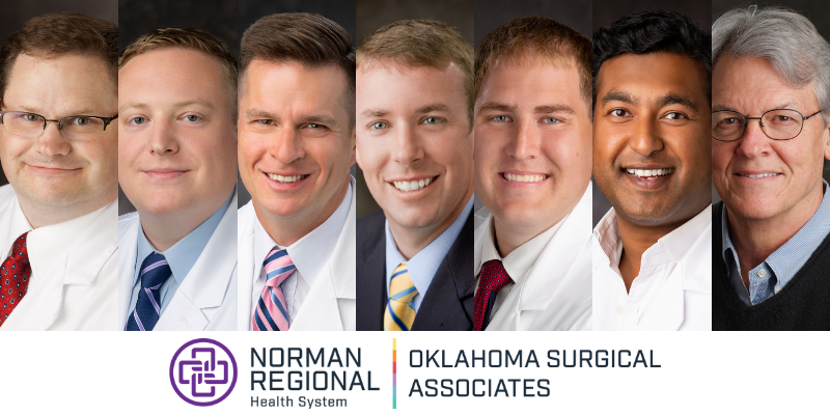
Christopher Foster, MD, a general surgeon with Norman Regional’s Oklahoma Surgical Associates, explains what robotic surgery is, how it compares to traditional techniques, and what patients can expect before and after their procedure.
What Is Robotic Surgery?
“Robotic surgery is an advanced form of traditional surgical techniques, including laparoscopic surgery, that allow us to perform more complex or precise surgery through small incisions,” says Dr. Foster.
The term robotic can be misleading — the robot doesn’t perform surgery on its own.
“It’s still your surgeon performing your operation,” Dr. Foster explains. “There’s no wireless connection or automation. The surgeon controls every movement through a console beside the patient’s bed.”
This robotic platform enhances precision, visualization, and control, helping surgeons perform advanced procedures using minimally invasive techniques.
Robotic vs. Laparoscopic Surgery
Both laparoscopic and robotic-assisted laparoscopic surgery are minimally invasive techniques, using small “keyhole” incisions — typically less than an inch in size — to operate inside the body.
Key differences include:
- Visualization: Robotic surgery offers a 3-D, high-definition view for greater depth perception.
- Precision: Robotic instruments have wrist-like movements, allowing surgeons to perform more delicate maneuvers.
- Range of motion: The robotic arms move more fluidly than standard laparoscopic tools, improving access to hard-to-reach areas.
“The advantage of robotic surgery is that it allows us to perform more precise and more accurate operations in a minimally invasive fashion,” Dr. Foster said.
Common Procedures Performed Robotically
Robotic technology is utilized across multiple surgical specialties, including:
- General surgery
- Gynecology
- Urology
- Thoracic surgery
Common procedures performed at Oklahoma Surgical Associates with robotic assistance include:
- Hernia repair – paraesophageal, inguinal, ventral, and incisional
- Gallbladder removal
- Colon and bowel resections
Benefits of Robotic Surgery
One of the biggest advantages of robotic surgery is its ability to combine minimally invasive techniques with complex precision — something not always possible with traditional or laparoscopic methods.
Benefits of robotic surgery for patients include:
- Smaller incisions and less scarring
- Reduced pain after surgery
- Shorter hospital stays
- Faster return to normal activity
Dr. Foster shares, “We often hear patients say, ‘I had a similar surgery years ago, and I was dreading another one because of the pain and recovery. But after robotic surgery, I was amazed by how much easier the recovery was compared to the open technique.’”
Recovery After Robotic Surgery
Thanks to smaller incisions, recovery tends to be faster and less painful.
“Most patients can get back to their normal activities within about two weeks,” Dr. Foster says. “That’s compared to four to six weeks for many traditional open procedures.”
Risks and Limitations
Like all surgical methods, robotic surgery carries certain risks that depend on the patient’s condition and the complexity of the procedure.
However, Dr. Foster notes that “most surgeries can be advanced to a robotic type surgery.”
Potential limitations include factors like patient size, anatomy, or the available space for instruments, but robotic systems continue to evolve to overcome these challenges.
How Surgeons Are Trained in Robotic Surgery
Becoming a certified robotic surgeon requires specialized training and guided practice.
“I learned how to use robotic platforms during my residency training,” says Dr. Foster. “It’s a guided process that involves coursework, simulation training, observing certified surgeons, and completing proctored cases before performing operations independently.”
Common Patient Questions
Many patients ask whether robotic surgery is truly “robotic.”
“The most common question is, ‘Is it automated?’ And the answer is no,” Dr. Foster emphasizes. “The surgeon performs the entire operation using the robotic instruments, which simply provide more precision and control.”
He encourages patients to ask their surgeon:
- Whether their specific condition can be treated robotically
- What benefits or limitations apply to their case
- What their expected recovery timeline will look like
The da Vinci Robotic Platform
At Norman Regional, the most commonly used system is the da Vinci XI and SI platform by Intuitive Technologies — one of the most advanced and widely used robotic surgery systems in the world.
“The da Vinci platform is constantly evolving,” Dr. Foster says. “New models and instruments are being developed to help us perform even more complex procedures through smaller incisions.”
The Future of Robotic Surgery
Dr. Foster believes the field of robotic surgery is just getting started.
“As technology advances, instruments are becoming smaller and more precise,” he explains. “This allows us to perform complex surgeries through even smaller incisions and with better recovery outcomes.”
Competition in the robotic surgery market may also reduce costs over time, expanding access for more hospitals and patients.
The Origins of Robotic Surgery
Robotic surgery began with the goal of enabling remote operations — performing procedures in environments where a surgeon couldn’t be physically present, such as during space exploration or in remote areas.
“What that’s changed into now,” Dr. Foster says, “is a system that allows us to perform more precise operations, with better visualization and smaller incisions — improving care and recovery for our patients.”
Ready to Learn More About Robotic Surgery?
If you’ve been told you may need surgery or want to explore minimally invasive options, our team at Oklahoma Surgical Associates is here to help. Schedule a consultation with one of our experienced surgeons today by calling 405-515-4099. Let our experts help you understand your options — and get you back to feeling your best, faster.