How to Prevent Cold and Flu to Stay Healthy Year-Round
- Category: News, Videos, Educational, Primary Care, Information
- Posted On:
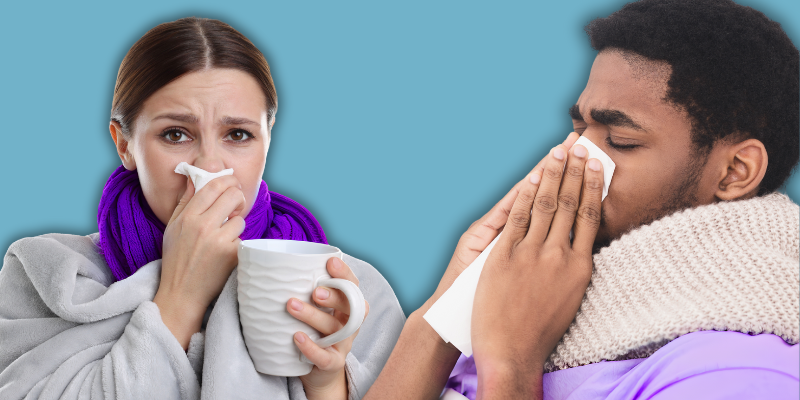
Cold and flu season tends to peak in the winter, but viruses don’t completely disappear once spring arrives. The good news? A few simple, everyday habits can go a long way in helping you lower your risk of getting sick and keep your immune system strong all year long.
We sat down with Farhad Aminzadeh, MD, family medicine physician at Norman Regional, to talk about cold prevention, how to recognize symptoms and when it’s time to seek care. Here’s what he recommends.
The Most Effective Way to Prevent Cold or Flu
If there’s one habit that makes the biggest difference, it’s handwashing.
“The best way to prevent cold and flu is washing your hands for at least 20 seconds with soap and water,” said Dr. Aminzadeh.
He even has a trick for timing it. Dr. Aminzadeh recommends you sing the ABCs, which is roughly 20 seconds long. Proper handwashing removes germs and helps stop them from entering your body.
This is especially important because Dr. Aminzadeh says one of the easiest ways to catch a cold is by touching your eyes, nose or mouth after coming into contact with germs. Washing your hands after being around someone who’s sick can significantly reduce your risk.
Everyday Habits That Support Illness Prevention
Preventing illness isn’t about one big change. It’s about building healthy routines that support your immune system.
Get Enough Sleep
“Listen to your mother, get enough sleep,” said Dr. Aminzadeh. Most adults need 7 to 8 hours of sleep each night to give their immune system time to recharge.
Eat Fruits and Vegetables
“Listen to grandma when she tells you to eat fruits and vegetables because they contain lots of antioxidants in them,” he said. Antioxidant-rich foods help your body fight inflammation and support immune health.
Stay Hydrated
Drinking enough water matters more than many people realize. “Drink 7 to 8 cups of water a day. If you are hydrated, there is a less chance of you keeping that flu virus around.”
Exercise in Moderation
Regular movement helps, but balance is key. “Moderate amount of exercise will help build up your immune system,” said Dr. Aminzadeh. Overdoing it with intense workouts, however, can actually weaken immune defenses.
Vaccinations and Masking Matter
In addition to daily habits, preventive measures play an important role in cold and flu prevention.
“Vaccinating with the flu vaccine will help you prevent the most common types of flu that we think we're going to get,” said Dr. Aminzadeh.
Masking can also help, especially if you’re sick or spending time in crowded places. Wearing a mask when visiting a clinic protects others and reduces the spread of germs.
RELATED BLOG: Ask a Family Physician: When to Get a Flu Shot and Who Needs It Most
Know the Difference: Cold vs. Flu vs. Allergies
Understanding what you’re dealing with can help you decide how to treat symptoms and whether you need to see a provider.
Colds often start mild. According to Dr. Aminzadeh, people usually experience a runny nose and scratchy throat with a little bit of muscle aches. Symptoms may worsen over a few days, but many mild colds can be managed at home with rest and fluids.
The flu, on the other hand, tends to hit harder and faster. Influenza usually comes with a fever around 101.3. Flu symptoms often include severe muscle aches, body aches, and sometimes shortness of breath. If flu symptoms start, it’s important to seek care quickly. “If we catch flu within the first 48 hours, we can treat it with Tamiflu to shorten the duration of the flu,” said Dr. Aminzadeh.
Seasonal allergies follow a different pattern. Tree pollen appears in late winter and spring, grass pollen in the summer, and ragweed in the fall. “The biggest difference is you won't get a fever with a seasonal allergy,” said Dr. Aminzadeh. Allergy symptoms often include itchy eyes and a watery nose rather than body aches or fever.
When to Stay Home and When to Seek Care
Not every sniffle requires a doctor’s visit. If symptoms are mild, Dr. Aminzadeh recommends rest, fluids, and sleep. “At least 7 to 8 hours of sleep, fluid and zinc lozenges can help your body recover,” said Dr. Aminzadeh.
However, it’s time to seek care if symptoms become more severe. He recommends heading to a Norman Regional Urgent Care or Walk-in Clinic if you experience a combination of shortness of breath, chest pain, a fever at 101.3 degrees or higher, severe muscle aches, nausea or vomiting. Adults ages 65 and above and anyone with conditions like diabetes, asthma, or COPD should seek care sooner.
RELATED BLOG: How to Keep Your Child Healthy this School Year
Simple Prevention Adds Up
Dr. Aminzadeh’s advice comes down to consistent, practical habits.
By focusing on handwashing, sleep, nutrition, and hydration, you can lower your chances of catching a cold and stay healthier year-round — not just during cold and flu season.
Primary care providers are also a great resource for preventive care. They can create personalized health plans for you and your family. Take the first step to getting established with a provider today and book your appointment online.
If symptoms do arise and you’re unsure what to do next, Norman Regional’s walk-in clinics and urgent care locations are here to help, today — not next week.