How Your Primary Care Doctor Helps Protect Your Heart
- Category: News, Community Connection, Educational, Cardiology, Primary Care, Information
- Posted On:

While many people think of cardiologists when it comes to heart care, your first and most important line of defense is actually your primary care provider (PCP).
February is Heart Health Month and heart disease remains the leading cause of death in the United States, according to the Centers for Disease Control and Prevention (CDC). Yet, many of the biggest risk factors are preventable and manageable with routine care. That’s where your Norman Regional PCP comes in.
“Primary care is truly the front line of heart disease prevention,” said Johnathan Mitchell, DO. “We’re able to identify risk factors early and help patients take meaningful steps before serious problems develop.”
Here’s how Dr. Mitchell, an internal medicine physician located in Suite 400 at Primary Care – Moore, says your primary care provider plays a critical role in protecting your heart.
Identifying Early Signs of Heart Disease
Heart disease often develops silently. High blood pressure and high cholesterol typically have no symptoms, yet both significantly increase the risk of heart attack and stroke.
According to the CDC, nearly half of adults in the U.S. have high blood pressure, and many don’t know it. Through routine visits, your doctor can detect subtle warning signs early, including:
- Elevated blood pressure
- Abnormal cholesterol levels
- Irregular heart rhythms
- Blood sugar changes linked to diabetes
- Family history patterns that increase risk
“We look at the whole picture,” said Dr. Mitchell. “Your numbers, your lifestyle, your family history, your stress levels. It’s not just one test. It’s your overall risk profile.”
This proactive, comprehensive approach helps prevent heart disease before it requires a cardiology referral.
RELATED BLOG: Take Control of Your Heart Health: Managing High Blood Pressure with Your Primary Care Provider
Key Screenings Your PCP Uses to Monitor Heart Health
Your primary care doctor uses evidence-based screenings recommended by organizations such as the American Heart Association (AHA) and the CDC.
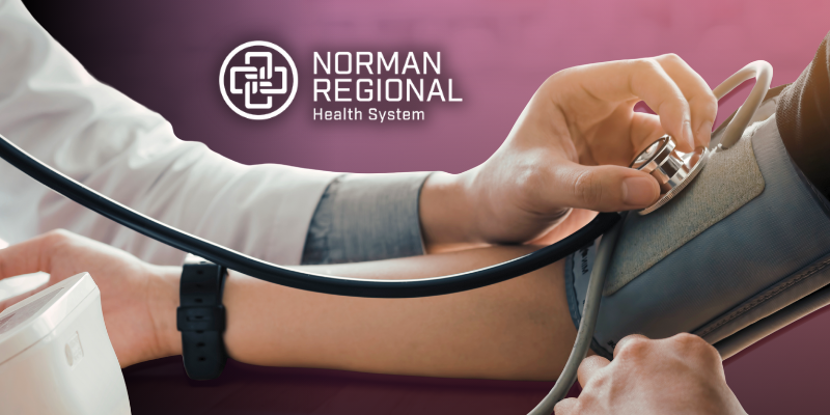
Blood Pressure Checks
High blood pressure is a major risk factor for heart disease and stroke. The AHA defines normal blood pressure as below 120/80 mm Hg.
Cholesterol Testing
A simple blood test measures LDL (“bad”) cholesterol, HDL (“good”) cholesterol, and triglycerides. High LDL levels increase plaque buildup in arteries.
Blood Glucose Screening
Diabetes significantly raises the risk of heart disease. Routine glucose or A1C testing helps detect prediabetes or diabetes early.
Weight and BMI Monitoring
Obesity increases cardiovascular strain and risk for related conditions.
Lifestyle Assessments
Your PCP will ask about:
- Smoking or vaping
- Diet
- Physical activity
- Alcohol intake
- Sleep habits
- Stress levels
“These screenings allow us to intervene early,” said Dr. Mitchell. “Small adjustments made early can prevent major complications later.”
RELATED BLOG: Why a Heart Scan is a Major Step for Heart Disease Prevention
When Should a Patient Be Referred to a Cardiologist?
Not every heart concern requires immediate specialty care. Your physician is trained to manage many common cardiovascular risk factors.
However, referral to a cardiologist may be necessary if a patient has:
- Persistent or uncontrolled high blood pressure
- Chest pain or concerning symptoms
- Abnormal EKG findings
- Complex cholesterol disorders
- Known heart disease requiring advanced imaging or procedures
“Our goal isn’t to send everyone to cardiology,” said Dr. Mitchell. “It’s to manage what we can in primary care and collaborate with specialists when the situation calls for it.”
Norman Regional’s team-based approach ensures patients receive the right level of care at the right time.
Lifestyle Changes That Protect Your Heart
One of the most powerful tools in heart health isn’t a prescription — it’s prevention.
Under the guidance of your primary care doctor, patients can lower their heart risk by:
- Following a heart-healthy eating pattern such as the DASH or Mediterranean diet
- Getting at least 150 minutes of moderate physical activity per week (AHA recommendation)
- Quitting smoking
- Managing stress
- Maintaining a healthy weight
- Taking prescribed medications consistently
“Patients sometimes underestimate how impactful small, consistent changes can be,” said Dr. Mitchell. “Losing even five to 10 percent of body weight or walking 30 minutes most days can significantly reduce cardiovascular risk.”
How Often Should You Have Your Heart Health Checked?
For most adults:
- Blood pressure: At least once per year if normal; more often if elevated
- Cholesterol: Every four to six years for low-risk adults; more frequently if elevated or high risk
- Diabetes screening: Every three years starting at age 35, or earlier if risk factors are present
Your PCP may recommend more frequent visits depending on your personal health history.
Start with Your Primary Care Provider
If you’re thinking about your heart health this February, start with your primary care physician. Early detection, preventive screenings, and lifestyle guidance can dramatically reduce your risk of heart disease.
Scheduling your annual visit could be one of the most important steps you take for your long-term heart health.