Why a Heart Scan is a Major Step for Heart Disease Prevention
- Category: Educational, Cardiology, Information
- Posted On:
Heart disease remains the leading cause of death in Oklahoma — and often, it develops silently. Many people feel healthy right up until a heart attack occurs. That’s why early detection plays such a critical role in heart health.
A heart scan, also known as a coronary calcium score, is a powerful tool that helps identify heart disease risk before symptoms appear. Donovan Beswick, Director of Imaging Services at Norman Regional Health System, explains how heart scans work, who should consider one, and how the results can guide next steps in care.
What Is a Heart Scan?
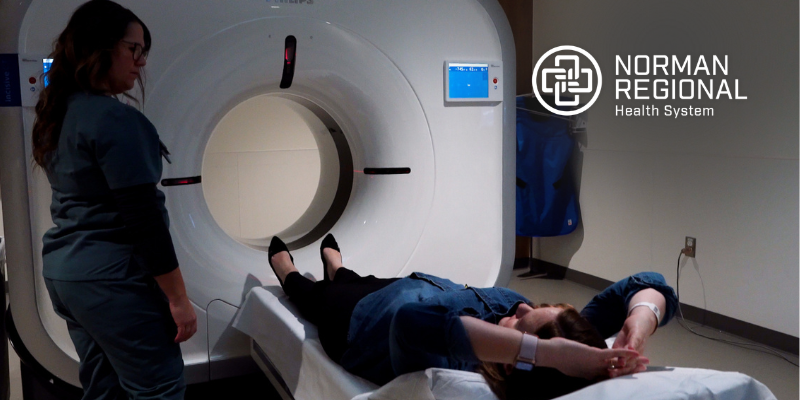
A heart scan is a specialized CT scan that looks at the coronary arteries, the vessels that supply blood to the heart muscle.
“A heart scan is a CT looking at the coronary arteries of your heart,” said Beswick. “It not only shows us the form of your heart, but specifically your coronary arteries and any calcified plaque within them.”
Calcified plaque is an early indicator of coronary artery disease. Detecting it early allows providers to assess risk before more serious problems develop.
Why Should Someone Get a Heart Scan?
One of the biggest advantages of a heart scan is early detection.
“It’s very good at identifying calcium in your coronary arteries, which lead to plaque buildup and heart disease,” Beswick said . “This can show up earlier than other warning signs for coronary artery disease.”
Because heart disease often progresses quietly, a heart scan can reveal risk even when blood work, physical exams, or symptoms haven’t raised concerns yet.
Who Should Consider a Heart Scan?
Heart scans are recommended for people who want a clearer picture of their heart health — even if they feel fine.
According to Beswick, guidelines generally suggest heart scans for:
- Men over age 35
- Women over age 40
- People with risk factors such as high cholesterol, high blood pressure, stress, a sedentary lifestyle, or a family history of heart disease
- Anyone seeking peace of mind about their heart health
However, heart scans are not recommended for people who have already had a heart attack, coronary stents, or known heart disease that is already being managed by a cardiologist.
Why is Early Detection of Heart Disease So Important?
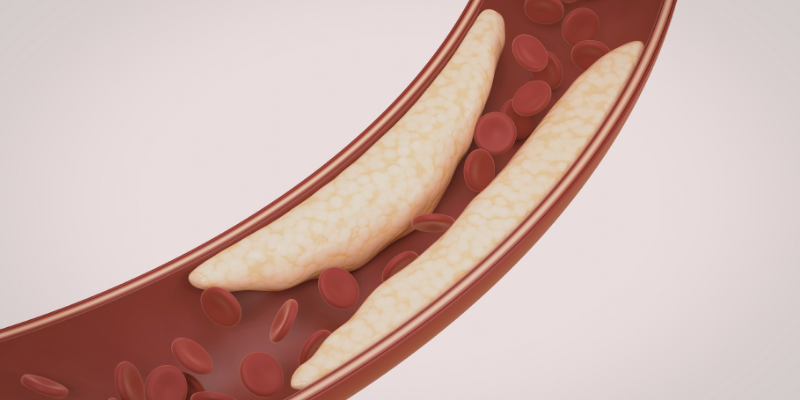
What plaque buildup in arteries looks like.
Heart disease is widespread, and heart attacks can happen without warning.
“Early detection is so important because heart disease is so prevalent in our society,” said Beswick. “Knowing you may be at risk allows us to connect you with the right providers early, so your primary care physician or cardiologist can follow you more closely.”
Identifying risk early opens the door to lifestyle changes, medical management, and additional testing — all before a serious cardiac event occurs.
What to Expect During a Heart Scan
A heart scan is quick, non-invasive, and typically takes about five minutes.
When you arrive:
- You’ll be placed on a CT table and have small leads placed on your chest
- The scan is gated to your heart rate, so patients are advised to avoid caffeine and exercise beforehand
- Images are processed immediately to assess calcium in the coronary arteries
You’ll receive a personalized report that factors in age, weight, and other identifiers. A board-certified radiologist reviews the images, and a finalized report is made available for follow-up care.
Understanding Your Calcium Score
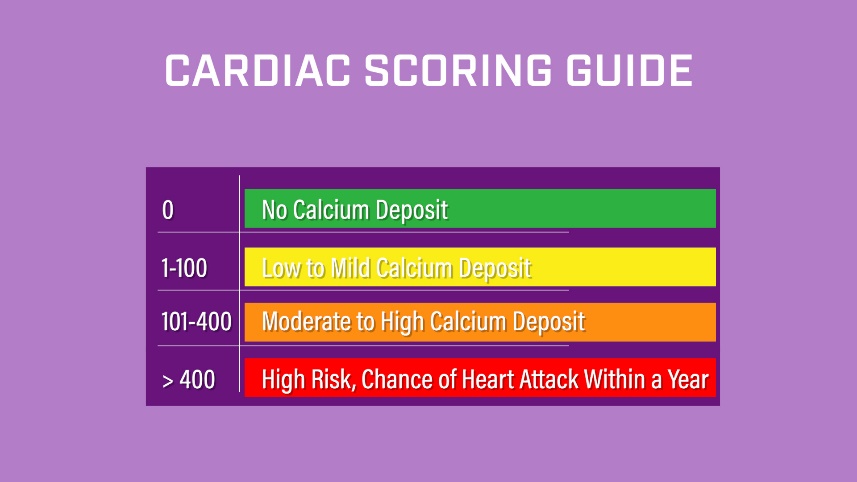
Heart scan results are measured using a calcium score:
- 0 – Ideal score; no detectable calcified plaque
- 1–100 – Average or mild plaque
- 101-400 – Elevated risk; often prompts additional conversation with your primary care physician and potentially a referral to cardiology
- A Score above 400 – is considered HIGH RISK and should be followed with a consultation with cardiology.
- Scores can reach much higher levels in advanced disease
“Calcium scores don’t usually go down once plaque is present,” said Beswick. “That’s why establishing a baseline and monitoring over time is so important.”
How Results Guide Next Steps
If a scan shows an elevated calcium score, patients are often referred to cardiology for further evaluation.
“Patients with above-average or high scores are recommended for cardiology follow-up,” said Beswick. “Cardiologists can review the results, order additional testing if needed, and help create a plan to manage risk moving forward.”
For patients with low or average scores, providers may recommend repeat screening in a few years to monitor progression.
How Often Should You Get a Heart Scan?
Heart scans are not meant to be frequent tests.
“Calcium does not change rapidly,” said Beswick. “We limit heart scans to once per year at most to minimize radiation exposure. If your score is zero or very low, you may wait even longer between scans.”
How to Keep Your Calcium Score Low
Heart-healthy habits play a major role in maintaining a low calcium score. Regular physical activity, managing cholesterol and blood pressure, reducing stress, and avoiding a sedentary lifestyle all contribute to better heart health.
“These lifestyle choices directly impact your heart and your long-term cardiovascular risk,” said Beswick.
What If Your Score Is Already High?
A higher calcium score doesn’t mean a heart event is inevitable — it means action can be taken.
“If you receive a high score, we provide guidance right away,” said Beswick. “Often, patients are referred to cardiology for further testing and evaluation to make sure they’re not at high risk for a coronary event.”
Heart Month Is the Perfect Time to Take Action
February is Heart Month, and there’s no better time to take a proactive step for your heart health.
“If you’re a man over 35 or a woman over 40 with concerns about your heart health, family history, stress, high cholesterol, or high blood pressure, this is the time,” said Beswick.
Schedule a $50 heart scan at Norman Regional and gain peace of mind.
Early detection could make all the difference. Call Central Scheduling at 405-307-2290 to schedule your heart scan today.