What Cardiothoracic Surgery Involves and When It Is Needed
- Category: Educational
- Posted On:
.png)
When it comes to treating serious conditions of the heart, lungs, and chest, cardiothoracic surgery can be life-changing and life-prolonging. It combines advanced surgical skill with innovative technology to help restore heart and lung function — often giving patients a second chance at life.
Bruce Cannon, MD, a cardiothoracic surgeon at Norman Regional, shares insight on what cardiothoracic surgery involves, when it’s recommended, and what patients can expect before and after treatment.
What Is Cardiothoracic Surgery?
Cardiothoracic surgery is a specialized field focused on surgical treatment of the heart (cardio), lungs (thoracic), and major blood vessels within the chest.
“Cardiothoracic surgeons treat diseases that affect the organs inside the chest cavity — including the heart, lungs, esophagus, and the arteries that supply them,” said Dr. Cannon.
Common conditions treated include:
- Coronary artery disease (blocked or narrowed arteries)
- Heart valve disease (damaged or leaking valves)
- Aortic aneurysms or dissections
- Congenital heart defects (heart abnormalities present at birth)
- Esophageal disorders
- Atrial fibrillation ablation
- Lung cancer surgery
At Norman Regional, these complex conditions are approached with multidisciplinary care, where surgeons, cardiologists, and vascular specialists collaborate to provide the safest and most effective outcomes.
When Is Surgery Recommended?
Cardiothoracic surgery is typically recommended when medications, lifestyle changes, or less invasive procedures are no longer enough to correct a problem.
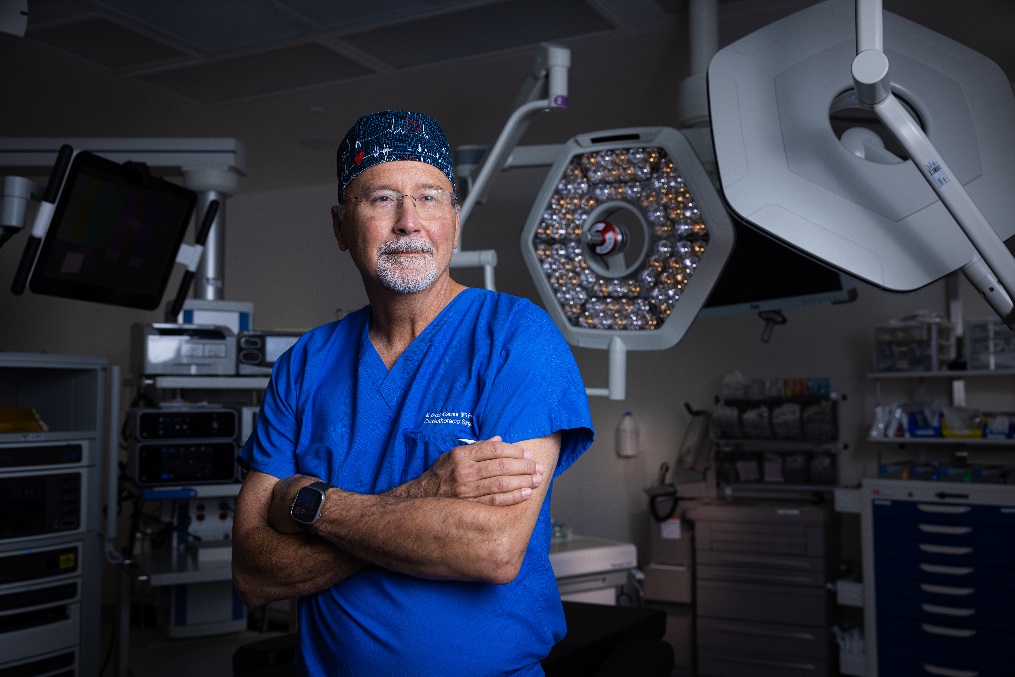
Bruce Cannon, MD, in a Norman Regional Operating Room
“We only move toward surgery when it’s clear that other treatments won’t provide the best long-term outcome,” said Dr. Cannon. “For many heart or lung conditions, surgery can dramatically improve function and quality of life.”
Surgery may be recommended for patients who:
- Have severe coronary artery blockages that require bypass surgery
- Experience significant valve regurgitation or stenosis (valves that don’t open or close properly)
- Have lung tumors that need to be surgically removed
- Have weakened heart muscle or structural abnormalities that can’t be managed through medication alone
Benefits of Minimally Invasive Cardiothoracic Surgery
Thanks to advancements in technology, many procedures that once required large incisions can now be performed through minimally invasive or robotic-assisted techniques.
“Minimally invasive cardiothoracic surgery allows us to operate through smaller incisions between the ribs rather than opening the breastbone,” said Dr. Cannon. “That means less trauma, less pain, and faster recovery for patients.”
Key benefits include:
- Smaller incisions and reduced scarring
- Less post-operative pain
- Shorter hospital stays
- Quicker return to normal activities
- Lower risk of infection or complications
Related page: Robotic Surgery at Norman Regional
Procedures such as valve repair or replacement, coronary artery bypass, and lung resections can often be performed using these advanced techniques, depending on the patient’s condition and anatomy.
What to Expect During Recovery
Recovery varies depending on the type of surgery performed, the patient’s overall health, and whether the procedure was minimally invasive or open.
“Most patients are surprised by how quickly they begin feeling better once their heart or lung function improves,” said Dr. Cannon. “We monitor every step of their recovery to ensure healing and safety.”
Typical recovery milestones include:
- Hospital stay of 3–7 days, depending on the procedure
- Gradual return to normal activities within 4–8 weeks
- Participation in cardiac or pulmonary rehabilitation programs for optimal long-term recovery
Patients receive personalized instructions on pain management, wound care, and safe activity levels to help them heal confidently at home.
How Surgeons Determine if a Patient Is a Candidate
Before recommending surgery, cardiothoracic surgeons conduct a thorough evaluation that may include imaging, lab tests, cardiac catheterization, and pulmonary function studies.
“We look at the severity of disease, overall heart and lung function, and the patient’s goals,” said Dr. Cannon. “Our goal is always to choose the least invasive, most effective treatment possible.”
This careful assessment ensures that every patient receives a personalized surgical plan designed for their unique health needs and lifestyle.
Expert Cardiothoracic Care at Norman Regional
At Norman Regional, patients have access to experienced cardiothoracic surgeons who use advanced surgical and minimally invasive techniques to deliver excellent outcomes — close to home.
If you’ve been told you may need heart or lung surgery, or you’d like a second opinion, our team is here to help you understand your options and make the best choice for your health.