Blood Clots and Pulmonary Emoboli
- Category: News, Community Connection, Educational, Information
- Posted On:

With the recent news of former University of Oklahoma quarterback and Heisman finalist, Jalen Hurts, being medically ruled out for the remainder of the 2026 NFL season due to blood clots being found in his lungs, Norman Regional pulmonologist Brian Whitson, MD, FCCP is here to break down what you need to know about blood clots, pulmonary emboli and what symptoms can be associated with blood clots.
It is important to note that Dr. Whitson is not Jalen Hurts’ physician and is not commenting on his individual condition or treatment.
What is a blood clot and why do they form?
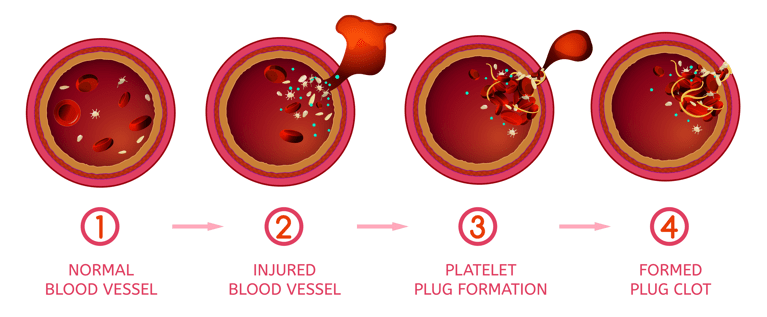
Your body has its own system of making and breaking down clots. “When you get an injury to your skin and you see a scab, that’s a type of clotting of the blood,” said Whitson.
“It’s there to keep you from bleeding to death, even from a simple wound.”
A thrombosis is a blood clot has developed in a vein where it shouldn’t be. Superficial blood clots, or thrombophlebitis, affect veins close to the skin’s surface. These are typically not considered dangerous, but do need to be monitored as about ten percent of them do run the risk of developing into a deep vein thrombosis (DVT).
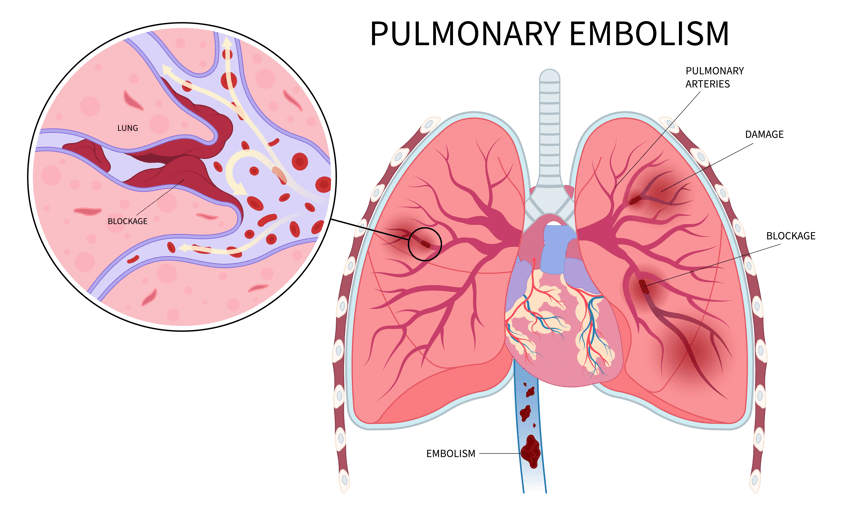
“It can propagate or grow. It might start in your calf and extend all the way into your thigh,” Whitson said. “Those clots can break loose and travel through the veins, through the heart and even get trapped in the lungs.”
A blood clot found in the lungs is also known as a pulmonary emboli. Common symptoms for pulmonary emboli are shortness of breath, chest pains and fainting. Whitson said, “In the most extreme of cases, they can cause sudden cardiac death. That’s extreme, but that can happen.”
Who is at risk for blood clots?
About 1 in 1000 people experience a blood clot annually. Whitson said, “The average person walking around doesn’t need to be paranoid about developing a blood clot, but there are certain things that make it more likely.”
These include:
- Pregnancy
- Birth control pills
- Female hormonal medications
- Surgery
- Cancer
- Genetic conditions
If someone has experienced a blood clot in the past, they are statistically more likely to develop a blood clot again.
What should you do if you have a blood clot and what should you not do?
If you think you are experiencing any blood clot related symptoms, the first thing you should do is seek out medical treatment. “We should always be paying attention to what our bodies are telling us,” Whitson said.
“If you noticed a change in your breathing, especially if it’s associated with other symptoms like chest pain, coughing, those would all be signs that that could be a clot.”
Depending on the type of blood clot, there are a few ways to treat them. For superficial blood clots, anti-inflammatory medications, elevation and warm compression may be enough.
“Those people do need to be monitored because, again, one in ten can progress to more deep clots,” Whitson said. “If deeper clots do form, anticoagulation, or blood thinners, will be prescribed.”
“Make sure you keep moving. Don’t go on a long trip in a car or plane and not get out and walk or walk the plane. There is nothing bad about flying per se, it’s more the length of a trip and the immobility.”
If someone has a history of blood clots, or their physician believes they may be at risk to develop a blood clot in the future, regular check-ups are needed. They may also be described a chronic low-dose preventative blood thinner.
Cardiopulmonary Care in Norman, Oklahoma
If you are experiencing signs or symptoms of a blood clot, please consult with your primary care physician or call our office at 405-515-4888. Learn more about the Norman Regional Pulmonary Clinic here.

.png)