Regain Confidence With Expert Care for Bowel Control Problems
Fecal incontinence, also known as bowel incontinence or accidental bowel
leakage, is a common condition that affects millions of people. While
it can feel embarrassing to discuss, you do not have to manage these symptoms
alone. Effective treatment options are available, and many people experience
significant improvement with the right care.
At Norman Regional, our digestive health and colorectal specialists provide
compassionate evaluation and personalized treatment for fecal incontinence.
From lifestyle changes and medications to advanced surgical therapies,
we offer treatment options designed to help improve bowel control, restore
confidence and improve quality of life.
What Is Fecal Incontinence?
Fecal incontinence is the loss of control over bowel movements, which results
in the accidental leakage of stool or mucus. Some people experience occasional
leakage, while others may have more frequent accidents that interfere
with work, travel, exercise or social activities.
Fecal incontinence is not something you simply have to accept as a normal
part of aging. In many cases, symptoms can be managed or improved through
lifestyle changes, medications, therapy or advanced treatment options.
What Are the Symptoms of Fecal Incontinence?
Symptoms of fecal incontinence can vary from person to person. Common symptoms include:
Accidental leakage of stool
Difficulty controlling gas
Sudden urges to have a bowel movement
Inability to reach the bathroom in time
Staining or soiling of underwear
Feeling unable to fully empty your bowels
Avoiding certain activities because of fear of an accident
Even occasional bowel leakage can be a sign of an underlying condition
that may benefit from evaluation.
Why Am I Losing Control of My Bowels?
Fecal incontinence can happen for several reasons. Some of the most common
causes include:
Weakness or injury to the muscles that control bowel movements
Damage to nerves that control the rectum and anus
Childbirth-related pelvic floor injuries
Chronic constipation
Chronic diarrhea
Irritable bowel syndrome (IBS)
Inflammatory bowel disease
Rectal prolapse
Previous pelvic or colorectal surgery
Neurologic conditions
Finding the cause of bowel leakage is an important part of choosing the
right treatment.
How Is Fecal Incontinence Diagnosed?
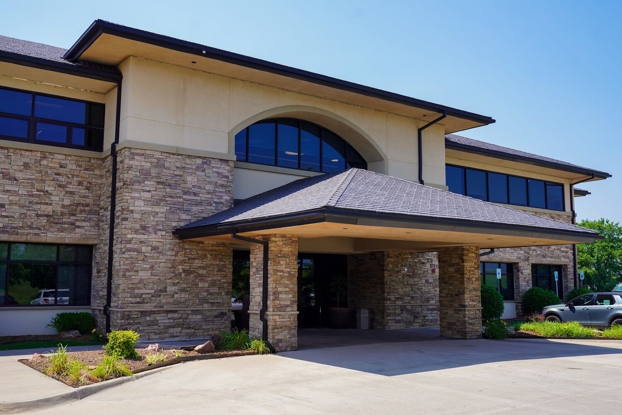
When you visit Norman Regional Digestive Health Center for bowel control problems, your physician
or advanced practitioner will begin with a conversation about your symptoms,
medical history and daily habits. Because fecal incontinence can have
many different causes, a thorough evaluation helps determine the most
effective treatment approach.
Diagnostic testing may include:
Physical examination
Colonoscopy
Imaging tests
Evaluation of anal sphincter muscle function
Testing to evaluate pelvic floor coordination
Your provider will discuss which tests, if any, are appropriate based on
your symptoms.
Fecal Incontinence Treatment Options
Treatment for fecal incontinence depends on the underlying cause, severity
of symptoms and your personal goals.
Dietary Changes and Bowel Management
Changes to your diet and daily routine can often help improve bowel control.
Your provider may recommend:
Increasing fiber intake
Adjusting foods that contribute to diarrhea or urgency
Improving hydration
Creating a consistent bowel routine
Medications for Fecal Incontinence
Certain medications may help manage symptoms by improving stool consistency
or treating conditions that contribute to bowel leakage.
Examples may include medications that:
Reduce diarrhea
Treat constipation
Improve bowel regularity
Advanced Treatment for Fecal Incontinence
For some patients, lifestyle changes, medications and pelvic floor therapy
may not provide enough relief. When conservative treatments are not effective,
advanced therapies such as sacral neuromodulation may help improve bowel
control and restore confidence.
At Norman Regional, patients have access to advanced treatment options
for fecal incontinence right here in Norman.
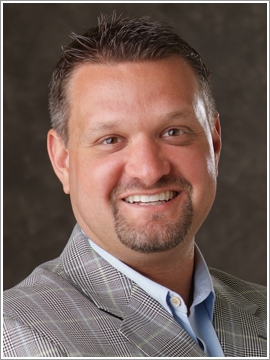
Rahal Kahanda, MD, a colorectal surgeon with Norman Regional Digestive Health Center, specializes in the evaluation
and treatment of fecal incontinence and offers sacral neuromodulation
therapy for eligible patients.
Sacral Neuromodulation for Fecal Incontinence
Sacral neuromodulation, also known as sacral nerve stimulation or sacral
neurostimulation, is an advanced therapy designed to help improve communication
between the nerves and muscles involved in bowel control.
This treatment uses a small neurostimulator device that delivers mild electrical
impulses to the sacral nerves, which play an important role in controlling
bowel function. By helping regulate these nerve signals, sacral neuromodulation
may reduce episodes of accidental bowel leakage and improve a patient's
ability to control bowel movements.
Sacral neuromodulation is typically performed in two phases. First, patients
undergo a temporary trial period to determine whether the therapy improves
their symptoms. If significant improvement occurs, a permanent neurostimulator
may be implanted.
A Specialized Treatment Option Close to Home
Living with fecal incontinence can affect your confidence, independence
and quality of life. Many people delay seeking help because they feel
uncomfortable discussing their symptoms, but effective treatment options
are available.
With colorectal surgeon Rahal Kahanda, MD, and the team at Norman Regional,
patients can receive specialized evaluation and advanced therapies for
fecal incontinence without traveling outside the Norman community.
If you are experiencing accidental bowel leakage or loss of bowel control,
talk with your healthcare provider about whether sacral neuromodulation
may be an appropriate treatment option for you.
Fecal Incontinence FAQs
Is fecal incontinence a normal part of aging?
No. While fecal incontinence becomes more common as people get older, it
is not something you simply have to live with. Many causes of bowel leakage
can be treated or managed with the right care.
How do I stop accidental bowel leakage?
Treatment depends on what is causing your symptoms. Dietary changes, medications,
pelvic floor therapy and other treatments may help improve bowel control.
A healthcare provider can help determine the best option for you.
Why am I leaking stool without knowing it?
Unexpected stool leakage can happen when the muscles or nerves responsible
for bowel control are not working properly. Causes may include muscle
weakness, nerve damage, diarrhea or other digestive conditions.
When should I see a doctor for bowel leakage?
You should talk with a healthcare provider if bowel leakage happens repeatedly,
affects your daily activities or causes concern. You should also seek
medical evaluation if symptoms are new, worsening or accompanied by other
digestive symptoms.
Is there surgery for fecal incontinence?
Yes. For some patients, surgical or advanced therapies may be an option
when medications, dietary changes and other conservative treatments have
not provided enough relief. Treatment depends on what is causing your
fecal incontinence and may include therapies such as sacral nerve stimulation
or procedures that address problems with the muscles or structures involved
in bowel control.
What kind of surgeon treats fecal incontinence?
A colorectal surgeon specializes in conditions affecting the colon, rectum
and anus, including fecal incontinence. At Norman Regional, colorectal
surgeon Rahal Kahanda, MD, provides specialized evaluation and treatment
for patients experiencing bowel control problems.
Can a neurostimulator help with fecal incontinence?
Yes. Sacral neuromodulation uses a small implanted neurostimulator device
to help regulate the nerve signals involved in bowel control. For eligible
patients, this treatment may reduce accidental bowel leakage and improve
quality of life.
What is a sacral nerve stimulator?
A sacral nerve stimulator, also called a sacral neurostimulator, is a small
device that sends mild electrical impulses to the sacral nerves. These
nerves help control the muscles involved in bowel function. The therapy
may be used to treat fecal incontinence when other treatments have not
provided enough relief.
Who performs sacral neuromodulation for fecal incontinence?
Sacral neuromodulation is performed by specialists who treat conditions
affecting the colon, rectum and pelvic floor. At Norman Regional, colorectal
surgeon Rahal Kahanda, MD, evaluates patients with fecal incontinence
and determines whether sacral neuromodulation may be an appropriate treatment option.
Can fecal incontinence be cured?
The answer depends on the cause. Some people experience complete improvement,
while others are able to significantly reduce symptoms with treatment
and ongoing management.
Compassionate Digestive Care at Norman Regional Digestive Health Center
Talking about bowel control problems can be difficult, but getting help
is the first step toward improvement. At Norman Regional Digestive Health Center, our physicians
and advanced practitioners provide discreet, compassionate care to help
you understand your symptoms and explore treatment options.
If you are experiencing fecal incontinence or accidental bowel leakage,
schedule an appointment today to discuss your symptoms and find a treatment
plan that works for you by calling
405-515-2777.

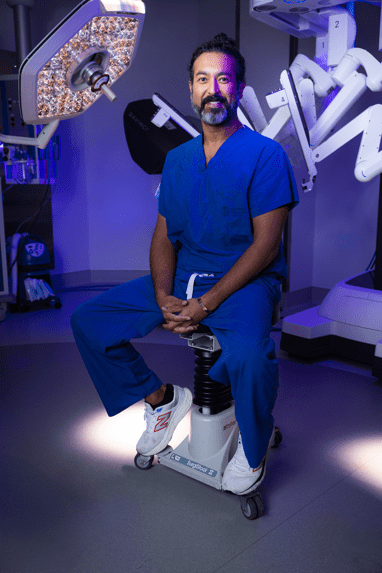
 Colon & Rectal Surgery, Robotic SurgeryView Profile










.png)