Urgent Care vs. the ER: How to Know Where to Go
- Category: Educational, Facilities, Primary Care, Information
- Posted On:

When something goes wrong with your health, one of the first questions is often: Where should I go? A sore throat, a sprained ankle and chest pain all need medical attention, but different places can best treat each one. Your local primary care office, urgent care clinic and emergency department each serve a different purpose.
Understanding the difference between urgent care vs. the emergency room (ER) can help you get the right level of care without unnecessary delays. As a general rule, urgent care is designed for illnesses and injuries that need attention soon but are not life-threatening. The ER is equipped for serious or potentially life-threatening conditions that require immediate medical attention.
If you believe you or a loved one are experiencing a medical emergency, call 911 or go to the nearest emergency room.
RELATED: Where to Go for Same Day Care
Urgent Care vs. the ER: What’s the Difference?
The biggest difference between urgent care and the ER is the severity of the medical problem.
Urgent care is for medical issues that need attention today but are not life-threatening.
Urgent care and walk-in clinics can be a good option when you need medical attention quickly and your primary care office is unavailable, or you cannot wait a day or two for an appointment.
Common reasons to go to urgent care include:
- Cold, flu and respiratory symptoms
- Sore throat or strep throat
- Ear or sinus infections
- Allergies
- Fever
- Nausea, vomiting or diarrhea
- Stomach viruses
- Minor burns, rashes and skin conditions
- Minor cuts and contusions
- Sprains and strains
- Minor injuries
- Some fractures
- Sports physicals
Depending on your symptoms, urgent care may also offer diagnostic services such as X-rays and laboratory testing. Norman Regional's urgent care and walk-in clinics provide care for a broad range of illnesses and minor injuries, with services including X-rays, lab testing, IV fluids, physical exams and vaccinations.
The ER is for emergencies that can’t wait
Norman Regional Emergency Departments are equipped to evaluate and treat serious illnesses and injuries, including conditions that may threaten your life or require immediate medical attention.
Go to the ER or call 911 for symptoms such as:
- Chest pain or pressure
- Trouble breathing
- Severe or worsening difficulty breathing
- Fainting or loss of consciousness
- Seizures
- Severe bleeding that will not stop
- Signs of a stroke, including facial drooping, arm weakness or slurred speech
- Serious head, neck or spine injuries
- Serious accidents or traumatic injuries
- Severe confusion or sudden changes in consciousness
- Other symptoms that may indicate a life-threatening emergency
If you think your life may be in danger, do not wait for an urgent care clinic to open. Call 911 or go to the nearest emergency room.
RELATED: What Does a Stroke Feel Like? Recognizing the Early Warning Signs
When Should You Go to Urgent Care?
A good way to think about urgent care is: “I need medical care today, but I feel safe waiting to be evaluated.”
Urgent care can be especially helpful when:
- Your primary care office is closed.
- Your primary care office does not have an appointment available soon enough.
- You have a new illness or minor injury that needs treatment.
- You need a same-day evaluation.
- You need an X-ray or other diagnostic testing for a minor injury.
- You need treatment for an illness that cannot reasonably wait
For example, if you wake up with a sore throat and fever, twist your ankle, develop a stomach virus or cut your finger and need medical attention, urgent care may be the appropriate place to start.
At Norman Regional, urgent care and walk-in clinics offer same-day care without an appointment, but you are welcome to save your spot in line by booking an appointment online.
When Should You Go to the Emergency Room?
If symptoms could indicate a serious or life-threatening condition, go directly to the ER or call 911.
The emergency room is designed to provide immediate evaluation and treatment for serious illnesses and injuries. Emergency departments use triage to prioritize patients based on the urgency of their condition, so patients with the most critical needs are evaluated first. Depending on your symptoms, your care team may perform blood work, X-rays, CT scans, ultrasound or other testing.
Go to the ER for symptoms such as:
Chest pain: Chest pain or pressure can be a sign of a heart attack or another serious condition.
Trouble breathing: Significant difficulty breathing can be a medical emergency.
Stroke symptoms: Remember BE FAST:
- B — Balance: Sudden loss of balance or coordination.
- E – Eyes: Sudden chance in vision or loss of sight.
- F — Face: One side of the face is drooping.
- A — Arms: One arm is weak or numb.
- S — Speech: Speech is slurred or difficult to understand.
- T — Time: Call 911 immediately.
Severe bleeding: Go to the ER if bleeding will not stop with direct pressure.
Loss of consciousness: Fainting or becoming unresponsive requires emergency evaluation, particularly when the cause is unknown.
Seizures: A new or prolonged seizure requires emergency medical attention.
Serious injuries: Major accidents, severe burns, serious head or spine injuries and other traumatic injuries should be evaluated in an emergency department.
When in doubt about a potentially life-threatening situation, it is safer to seek emergency care.
What About Primary Care?
Urgent care is not a replacement for primary care.
Your primary care clinician is your medical home for routine care, preventive screenings, physicals, vaccinations, chronic condition management and ongoing health concerns. Establishing a primary care relationship also gives you someone who understands your medical history and can help you determine what care you need when something changes.
Many primary care clinics offer same-day or next-day appointments. If your primary care office is unavailable and you need care quickly, urgent care or a walk-in clinic can help bridge the gap.
Book your primary care appointment online, find the next available appointment or join the waitlist for your doctor to be notified if there are any cancelations and they can get you in sooner.
A simple way to think about your options is:
Primary care: “I need ongoing care or this can wait for an appointment.”
Urgent care: “I need to be seen today, but this does not appear life-threatening.”
Emergency room: “This could be serious or life-threatening, and I need emergency care now.”
RELATED: Primary Care vs. Same Day Care: How to Choose the Right Option
Where Can I Go for Same-Day Care at Norman Regional?
Norman Regional offers four same-day care locations in Norman, Moore and Goldsby. Urgent care and walk-in clinics can treat many common illnesses and minor injuries without an appointment.
.png)
Norman Regional Urgent Care – Porter Health Village
901 N. Porter Ave., Norman, OK 73071
405-307-7900
Open daily, 7 a.m. to 7 p.m.
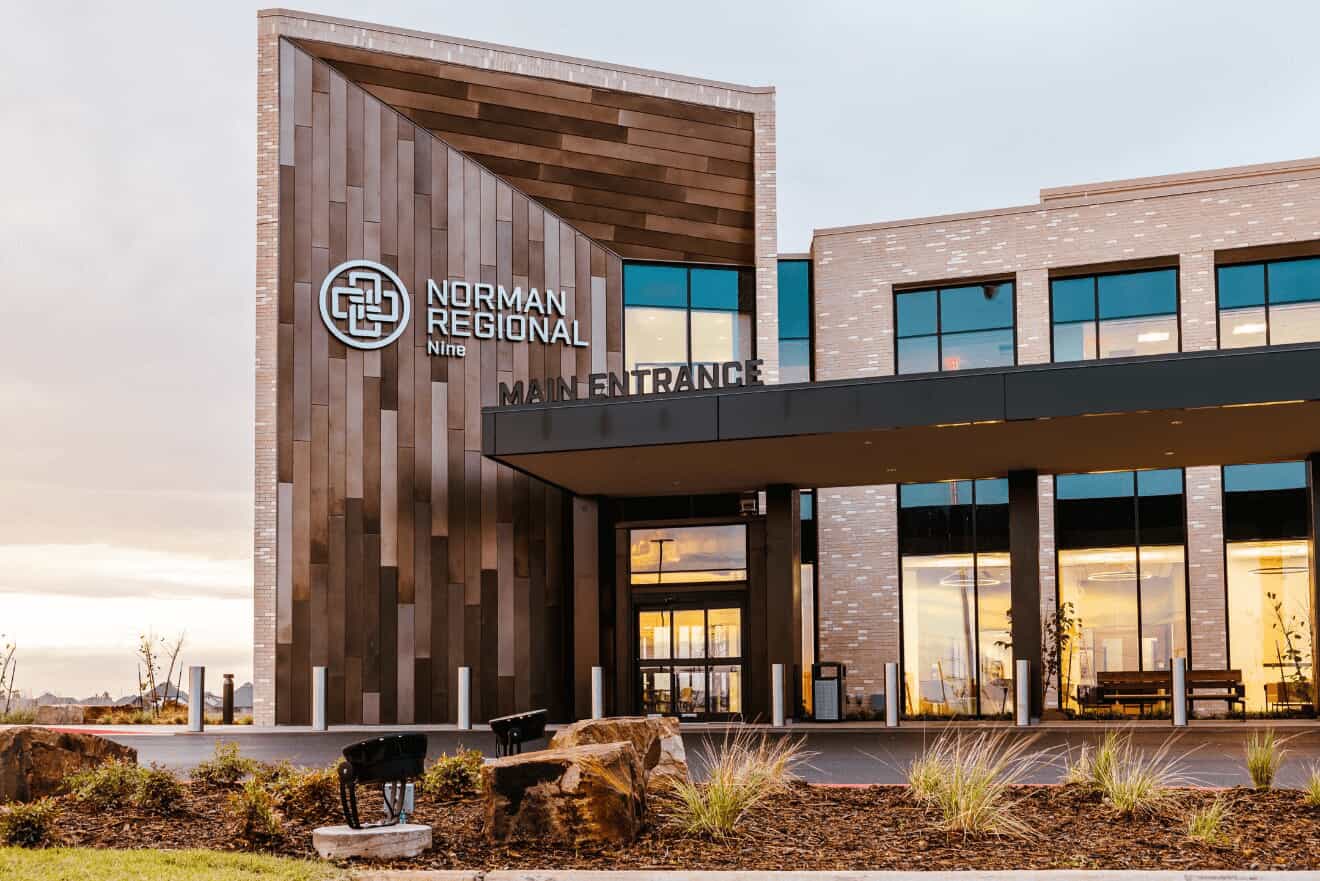
Norman Regional Nine Walk-In Clinic
2000 Ann Branden Blvd., Suite 201, Norman, OK 73071
405-515-0520
Open daily, 7 a.m. to 7 p.m.

Norman Regional Moore Walk-In Clinic
700 S. Telephone Rd., Suite 201
Moore, OK 73160
405-912-3120
Open daily, 7 a.m. to 7 p.m.
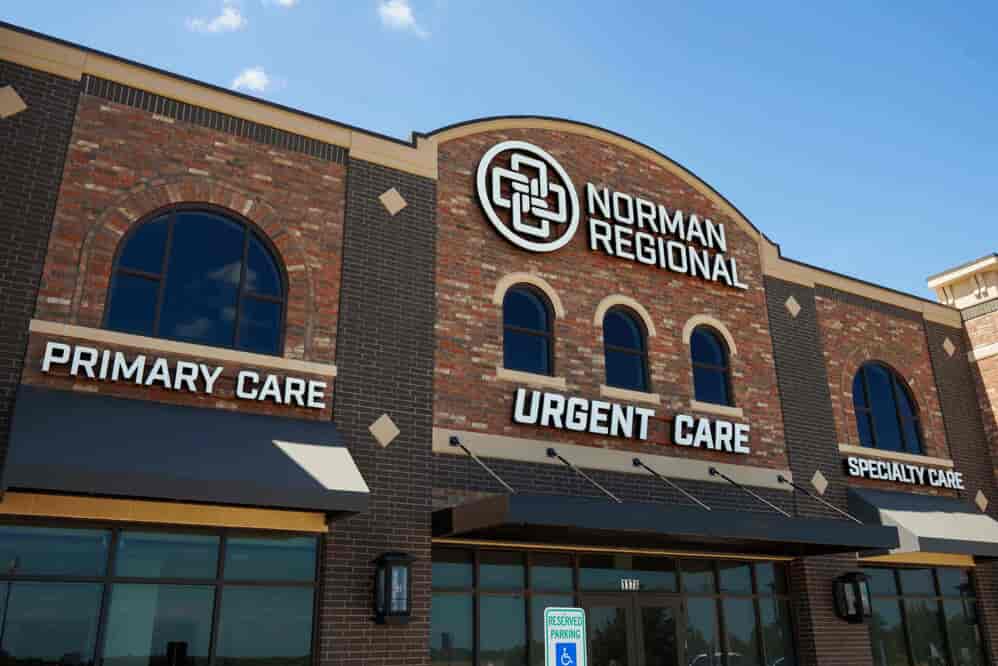
Norman Regional Urgent Care – Goldsby
117 Cotton Field Rd., Suite 101
Goldsby, OK 73093
405-515-2950
Open Monday through Saturday, 7 a.m. to 7 p.m.
Where Can I Go for Emergency Care?
Norman Regional has three emergency departments, all available 24 hours a day, seven days a week:

3300 HealthPlex Parkway
Norman, OK 73072
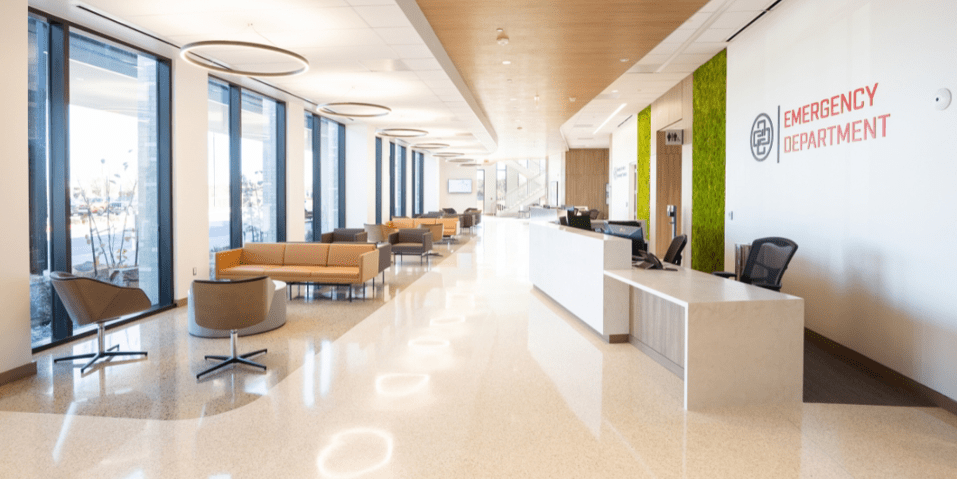
2000 Ann Branden Blvd.
Norman, OK 73071
700 S. Telephone Rd.
Moore, OK 73160
Norman Regional's emergency departments are staffed and equipped to provide emergency care around the clock. Norman Regional Nine and Norman Regional Moore are freestanding emergency department-plus facilities, while Norman Regional Hospital provides emergency care within the hospital.
What If I’m Not Sure Where to Go?
You don't have to figure it out alone.
If your symptoms are not life-threatening, your primary care office may be able to help determine what type of care you need. Call 405-515-5000 and they will connect you with the proper care.
Urgent Care vs. Emergency Room FAQs
Is urgent care cheaper than the ER?
Urgent care is generally a more affordable option for non-emergency medical needs than an emergency room. Your actual cost will depend on your insurance coverage and the services you receive.
At Norman Regional, urgent care and walk-in clinic visits are billed the same as a primary care visit, making same-day care a convenient option for many non-emergency needs.
Can urgent care treat broken bones?
Some urgent care locations can evaluate and treat certain minor fractures. Norman Regional's urgent care and walk-in clinics offer X-rays and care for some fractures and minor injuries. More serious injuries may require emergency care.
Should I go to urgent care or the ER for a fever?
It depends on the severity of the fever and your other symptoms. A fever associated with common illnesses such as the flu or another respiratory infection may be appropriate for urgent care, particularly when you need same-day treatment. However, if the fever is accompanied by serious symptoms, such as difficulty breathing, confusion, loss of consciousness or other signs of a medical emergency, seek emergency care.
Should I go to urgent care or the ER for chest pain?
Chest pain can be a sign of a serious medical emergency. If you are experiencing chest pain, particularly if it is severe, persistent or accompanied by trouble breathing, sweating, nausea, fainting or other concerning symptoms, call 911 or go to the emergency room.
Can urgent care treat a sprained ankle?
Yes. Minor injuries such as sprains and strains are common reasons to visit urgent care. Urgent care may also provide X-rays and other diagnostic services when appropriate.
When should I call 911 instead of driving to the ER?
Call 911 when you believe you are experiencing a life-threatening emergency. This can include chest pain, severe trouble breathing, stroke symptoms, seizures, loss of consciousness, severe bleeding or serious traumatic injuries.
If you're experiencing a medical emergency, call 911.
Get the Right Care When You Need It
Knowing the difference between urgent care vs. the ER can help you make a more confident decision when illness or injury strikes.
For non-life-threatening illnesses and minor injuries that need attention today, Norman Regional's urgent care and walk-in clinics offer convenient same-day care. For serious or potentially life-threatening symptoms, Norman Regional's emergency departments are open 24/7.
And when you aren't sure? If it could be an emergency, don't wait. Call 911 or go to the nearest emergency room.